The tides are turning for Asia’s captive elephants. In a monumental, historic shift for global animal welfare, the Supreme Court of Nepal has issued a groundbreaking full-text verdict that could redefine the future of wildlife tourism across the globe. The Court has officially recognized elephants not as commercial commodities or tools for amusement, but as sentient, intelligent, and highly sensitive beings deserving of dignity, rights, and protection.
For decades, advocates worldwide—including our partners at Pro Public and Elephant Aid International—have fought against the invisible cruelties of the elephant tourism industry. Nepal’s highest court has finally validated that fight, setting a powerful legal
precedent that balances human compassion with ecological responsibility.
The Anatomy of Cruelty: Why Elephant Rides Must End
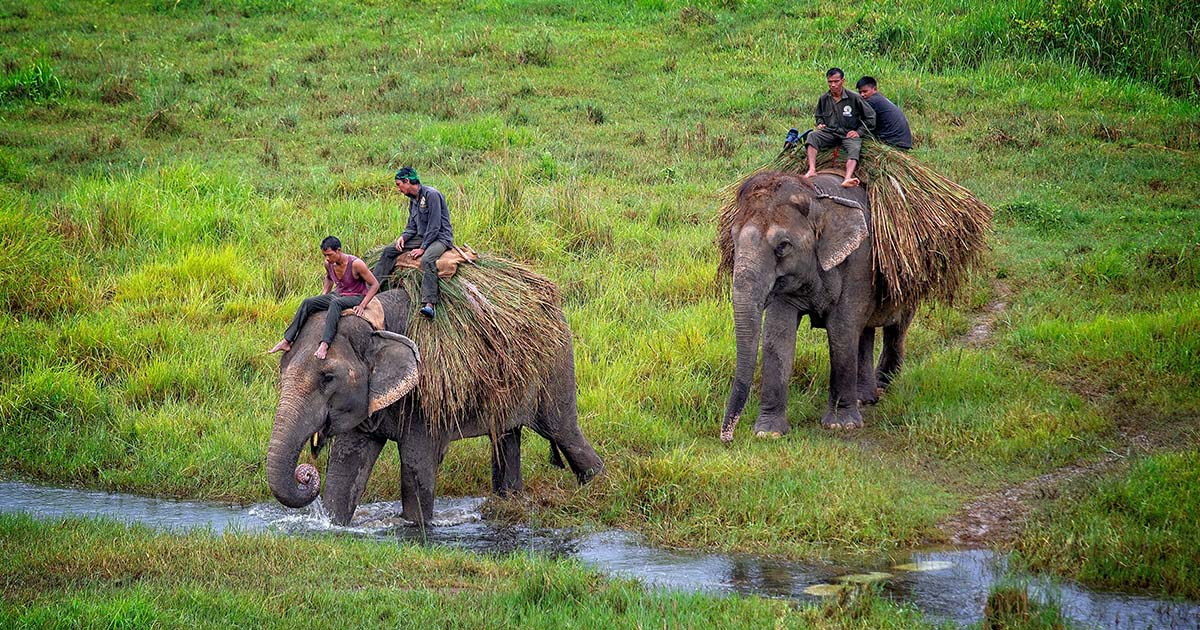
For the first time, a high court has explicitly integrated veterinary science and skeletal physiology into a legal mandate. The Supreme Court noted that an elephant’s spine and legs are physiologically incapable of bearing human weight. As a result, the Nepalese government has been ordered to phase out traditional elephant-riding tourism.
A Managed Transition: What Happens Next?
Crucially, the Court’s 62-point directive does not call for an overnight shutdown of the tourism industry, which would risk leaving both animals and communities stranded. Instead, it mandates a managed transition.
The government is now legally required to draft comprehensive policies that systematically phase out rides while actively building infrastructure for alternative eco-tourism. The future of travel in Nepal’s stunning national parks, like Chitwan, will pivot toward global best practices, including “Observation-Only” models: shifting the visitor experience to viewing elephants from a respectful, non-intrusive distance—letting elephants simply be elephants.
Empowering Caregivers: Re-skilling Mahouts for an Ethical Future
As we celebrate this victory, it must be recognized that a successful transition must dismantle exploitative commercial structures while protecting the vulnerable individuals at the heart of the system. For years, captive elephants in gateway safari hubs like Sauraha have faced systemic physical abuse and illicit trafficking under private owners prioritizing commercial gain. To truly enforce the Supreme Court’s ruling, the focus must shift entirely toward supporting the mahouts (handlers).
Many of these traditional caretakers are caught in cycles of economic dependency, lacking basic literacy or formal education in their native languages. If provided with targeted government assistance and structural training programs, mahouts could transition from forced safari driving to becoming certified elephant-welfare handlers, nature interpreters, and conversational guides for eco-tourists. Integrating basic literacy and English language training into these programs will empower mahouts with the tools they desire to thrive, ensuring that liberating Nepal’s elephants also breaks the cycle of exploitation for the marginalized communities who care for them.
Unchaining the Captive Spirit & Halting Trafficking
Beyond ending safaris, the verdict targets the daily, structural suffering of captive elephants by enforcing the Regulation on the Control of International Trade of Endangered Wildlife and Plants:
- An End to Chaining: A transition toward chain-free management systems to allow elephants freedom of movement.
- Strict Auditing: Compulsory registration and aggressive auditing to seize unregistered elephants, making it incredibly difficult for bad actors to traffic elephants across international borders.
- Sanctuary and Retirement: The establishment of dedicated, state-funded retirement and rehabilitation centers to care for elderly, sick, or injured elephants who cannot be released into the wild.
A Regional Ripple Effect: India Follows Suit
The momentum generated in Nepal has already ignited a spark across South Asia. Just weeks after Nepal’s decision, the Supreme Court of India issued a powerful parallel directive for elephants.
Citing the foundational need to treat these animals with dignity, India’s apex court has mandated DNA profiling, the launch of specialized elephant clinics, and compulsory regular health checks.
The era of riding elephants is drawing to a close in Nepal, and a brighter, chain-free future across Asia is finally within sight.
Leave a Reply